Turn your family history into a collection | The Family History Studio (Australia)
The Family History Studio

Your family history,
finished as a collection.

Sound familiar?
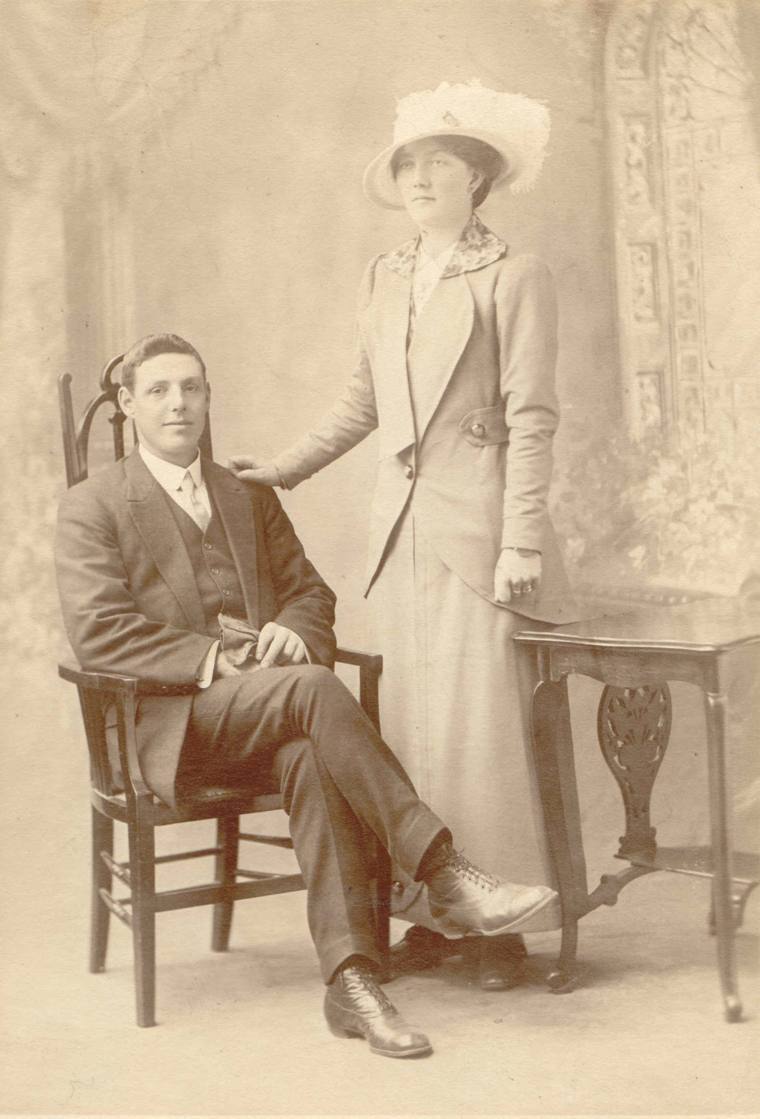
“I’ve inherited it all.” Boxes of inherited family photos, letters and certificates. They spent a lifetime collecting it, and now it’s mine to look after. What do I do with old family photos and documents like these?
“I’ve collected so much.” Documents, photos, stories, notes, memories, certificates. I’ve gathered it for years and it keeps growing - but I don’t know what to do with it now, or how it all comes together.
“I’ve done the research.” Years of family tree research. Trees, certificates, files and folders. It’s all there, but I’ve never been able to write my family history into something my family can actually enjoy.
Send what you’ve gathered and I’ll turn it into a complete, sourced family history collection - the story, records, timeline, maps, audio, website and archive.
See a finished collection →
See it for real

Don’t take my word for it - open a finished one

The showcase is a real family, that began as a handful of photos and a single interview. The fun part was the research: chasing the evidence, uncovering the stories nobody had pieced together. Then it sat on a computer for ten years - everything there, beautifully gathered, doing nothing. This process is what finally turned it into the complete collection you can open below. This is exactly what you’d get back.

The Studio

For many family historians, the research is the fun part - the discoveries, the unexpected connections and the satisfaction of solving long-forgotten mysteries. Turning years of research into something your family will actually read, understand and preserve is often the harder part.

The Family History Studio helps families finish that work. I transform years of research into complete family history collections.

I have developed an approach that combines over 30 years of experience with the responsible use of modern digital and AI tools. AI helps me organise, analyse and draft, but the judgement throughout remains mine. Every story is supported by its sources, and where something cannot be proven, I say so.

One technique I occasionally use is the vignette. These are short pieces of creative non-fiction that help readers connect with the people behind the records. They are carefully grounded in the available evidence, historical context and the known circumstances of the people involved, using informed interpretation - not invention - to bring significant moments to life. Here’s an example →

David Bedwell signature
Wherever you’re starting from

Three ways families come to me

Most families arrive at one of these three points. Whichever it is, the destination is the same - a finished collection. The Measure Up tells us how far the material can go.

πŸ“¦
The inherited archive

You’ve been left the shoebox

Boxes of photos, letters, certificates and clippings have landed with you - often after someone passed - and you don’t want it lost, but you don’t know where to begin.

I scan old photos, digitise and read it, sort what matters, and get it ready for your Measure Up - so we can see what you’ve got and how far it can go. You don’t need to have done anything first - the pile is the perfect starting point.

πŸ“š
The growing collection

You’ve gathered so much

Documents, photos, stories, notes, memories, certificates - you’ve been collecting for years and it keeps growing. You care about all of it, but you’re not sure what to do next or how it becomes something whole.

I bring it together, sort what matters and finish it into one collection your family can hold and read. You don’t have to organise it first - bring it as it is and we’ll shape it together.

πŸ—‚οΈ
The years of research

You’ve already done the work

Trees, files, certificates, an Ancestry account, folders on the computer - you’ve chased it for years. It’s all there, but it’s never become a story anyone can sit down and read.

I take your research as it is - no rebuilding your system - and finish it into the full collection. The genealogy research and family tree research is done; this is the writing, designing and producing that turns it into a book. This is finishing, not starting over. Your work is the foundation.

What you get back

A complete family history collection

One finished collection, gathered into parts that belong together - curated, sourced, and the finished version of your research.

01

The Story

The full family story - told in third person, or in a first-person memoir voice if you prefer - with biographies, family group sheets and a fully-sourced timeline.

02

The Places

An interactive map and a PastPort travel guide to the real locations in the story - what’s still there to go and see.

03

The Voices

A family history podcast - a documentary-style discussion that draws out great insights into your family’s story; an optional audiobook of the story read aloud; and an Ask-the-Expert assistant trained only on the finished material.

04

The Children’s Version

An optional family history book for children - a heritage book for kids, so the story can be handed down properly and actually read by the next generation.

05

The Archive

Your family archive preserved: documents transcribed and catalogued, old photos scanned and tagged, genealogy files organised and renamed to a clear standard, everything handed back in order.

06

The Editions

PDF, eBook and print-ready files, a private family history website, and an optional professionally published family history book.

From the Studio

Latest from the Studio

Studio updates and finds - the same stories I share on Facebook, kept here too.

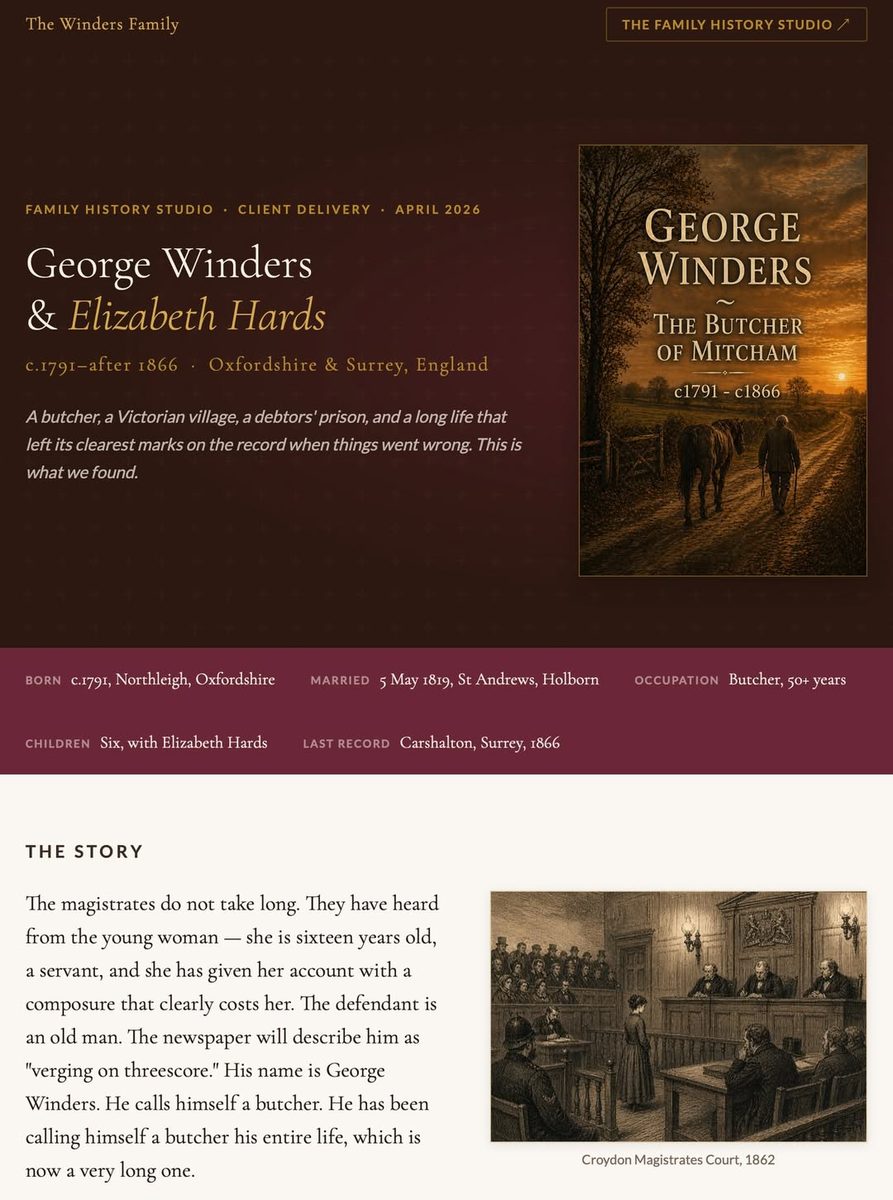
The Shearer & Tyre finished family collection
July 2026

The family showcase is now live - open it yourself

I’ve shown you the pieces for months - a cover, a map, a children’s page. Now the whole thing is here: a real, finished family you can open and explore, not a picture of one - story, biographies, timeline, map, podcast, audiobook and children’s edition, all live.

New website Showcase
Open the showcase →
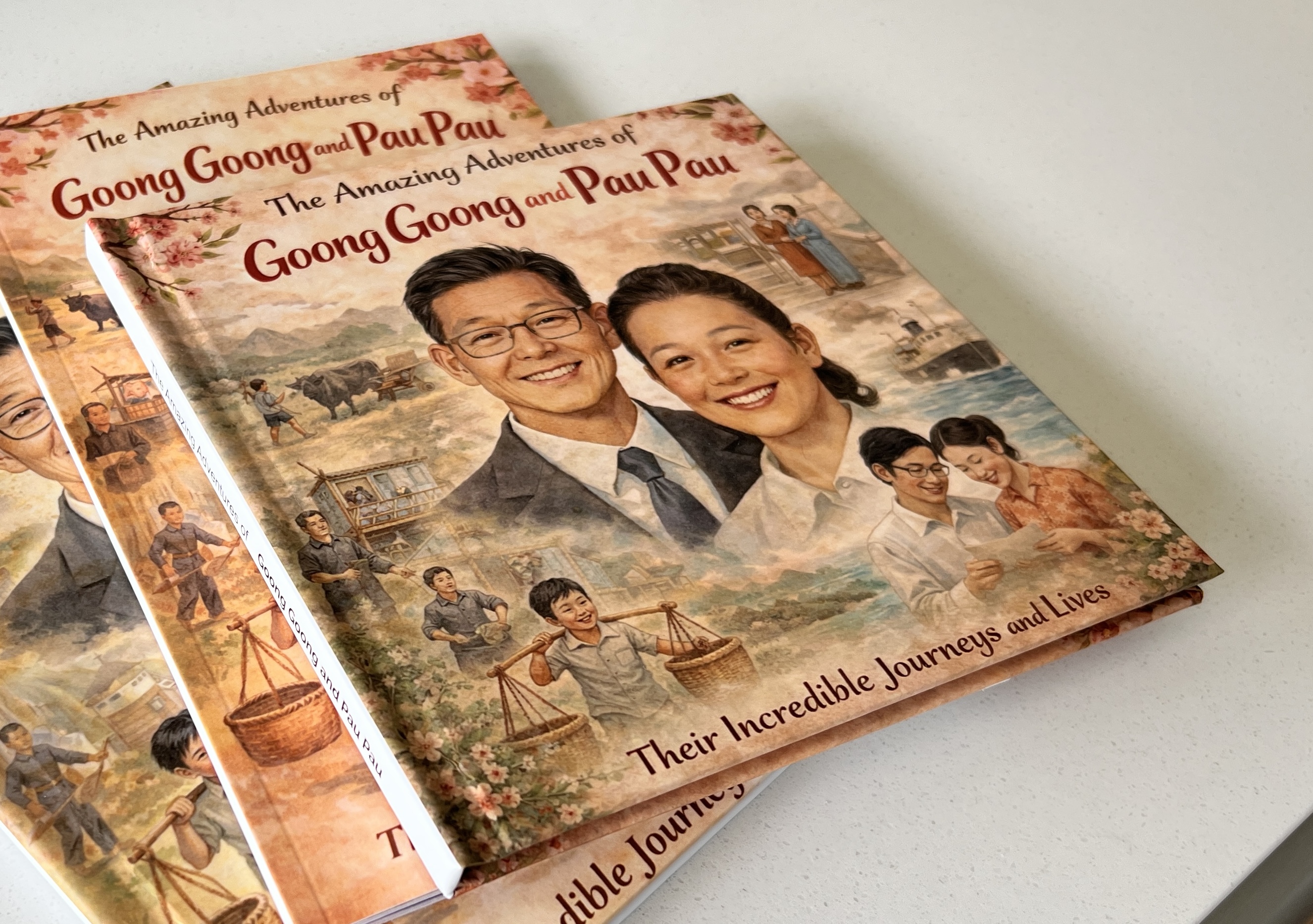
Children’s heritage book cover
June 2026

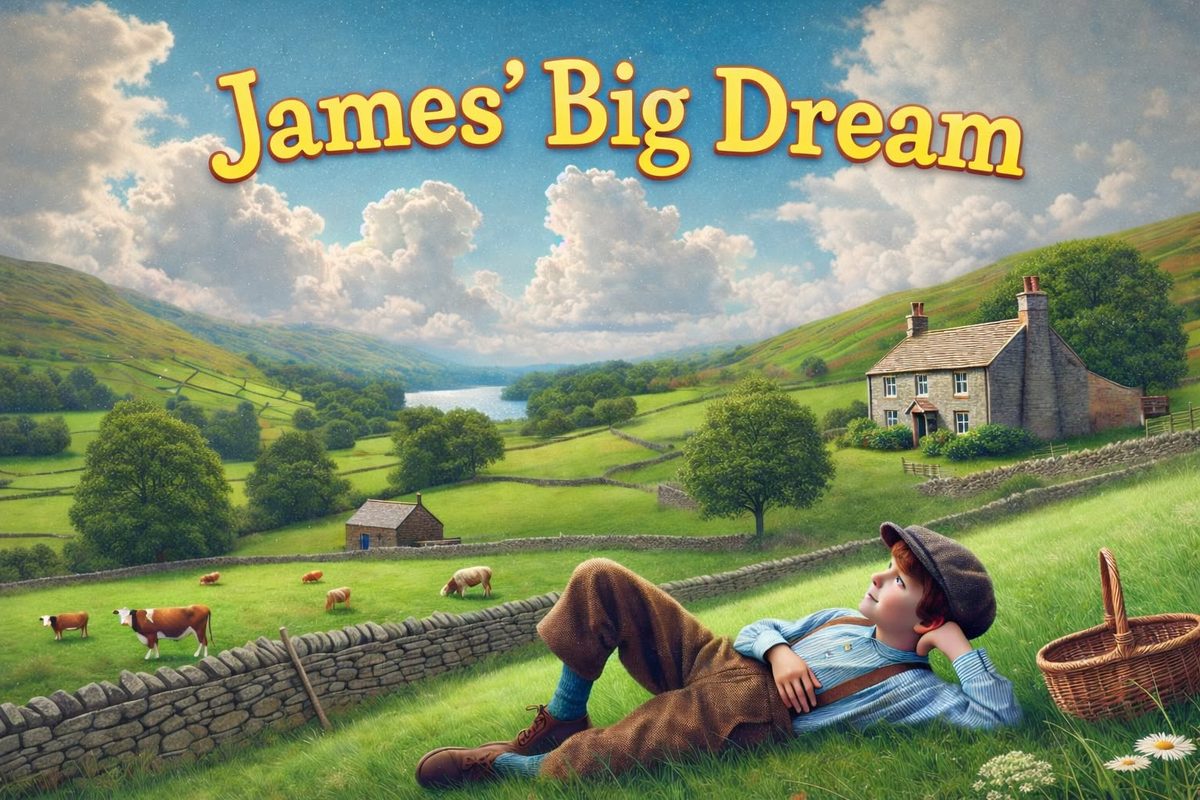
Stories as good as Disney’s - and yours are true

Illustrated children’s heritage books, written to delight a six-year-old at bedtime - but grounded in the actual story, the actual people, the actual places.

Children’s edition Storytelling
See a finished family →
A formal one-page biography document
June 2026

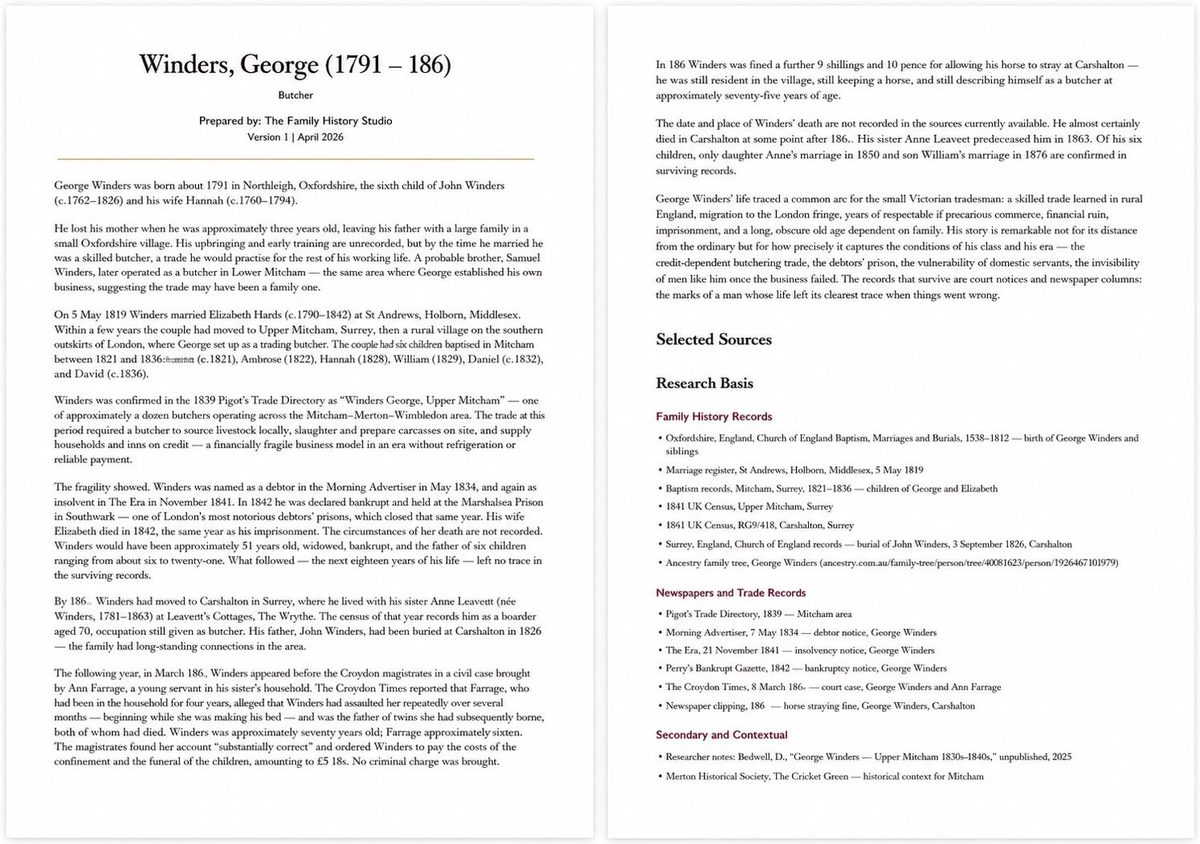
Not every story needs to read like a novel

Sometimes a family wants something clear and authoritative - a formal biography on documented evidence, or an annotated timeline placing every event beside its world.

Biographies Timeline
See a finished family →
Charcoal drawing of sailors on a storm-battered deck
June 2026

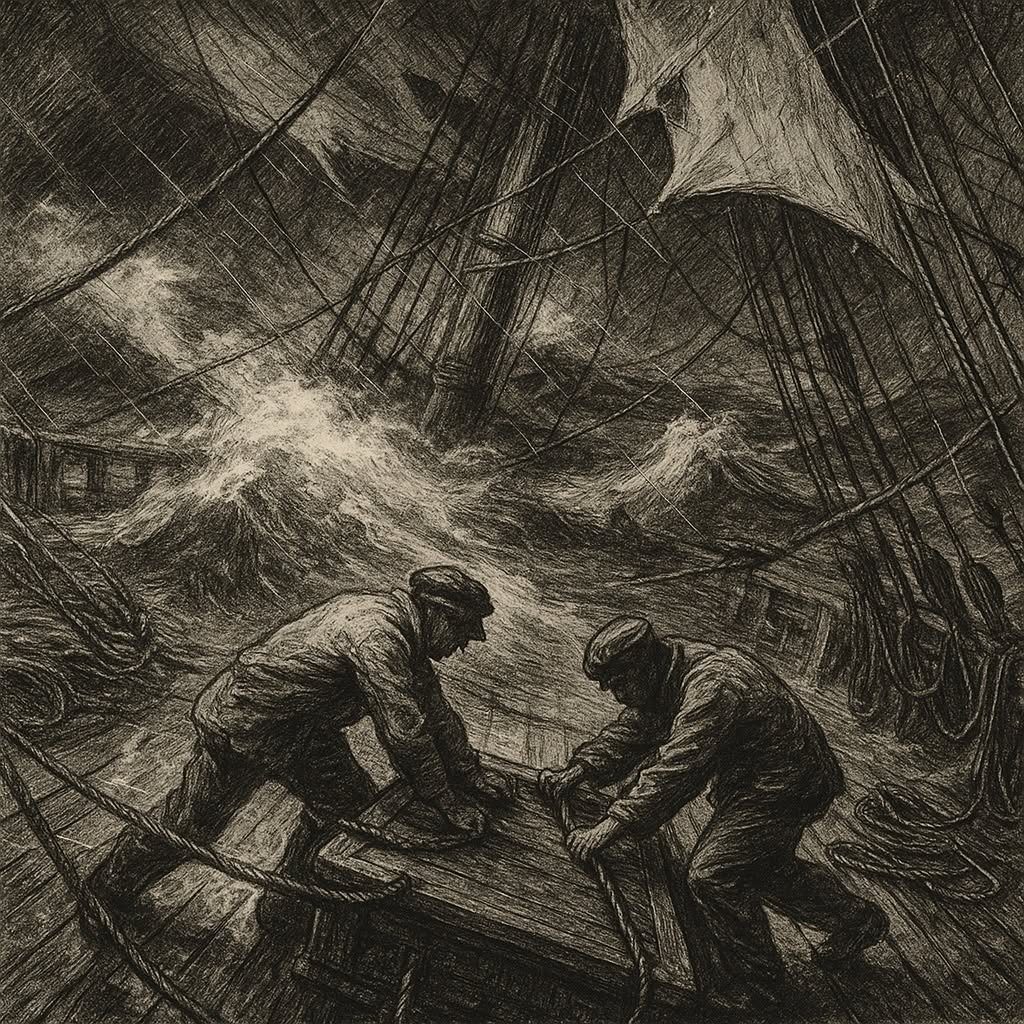
A cracked rudder, a limping ship - every word true

13 April 1855: the Rose of Sharon limps around Sydney Heads, rudder cracked, 365 exhausted passengers on deck. Every word drawn from real records.

Storytelling Creative non-fiction
See a finished family →
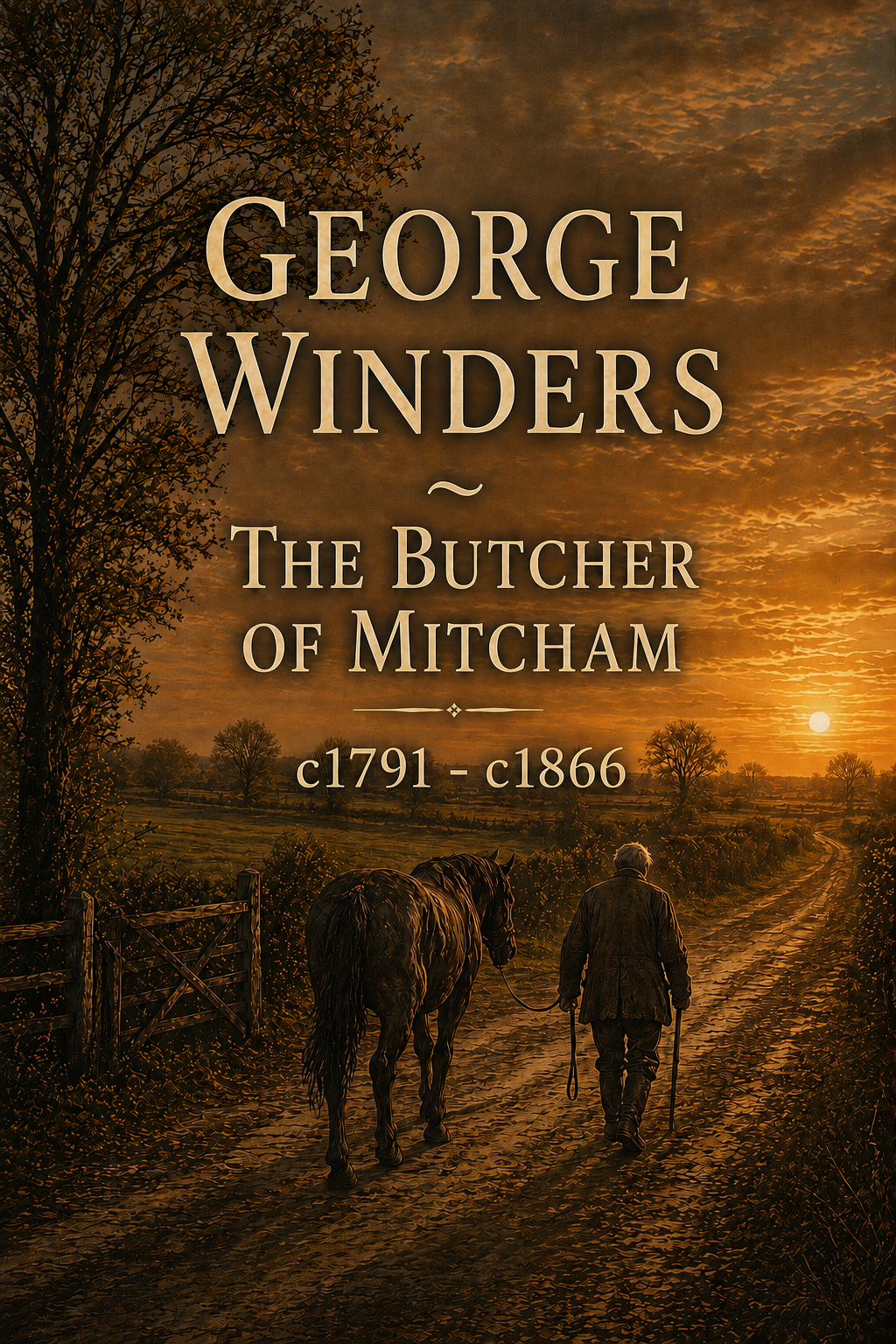
Book cover - The Butcher of Mitcham
June 2026

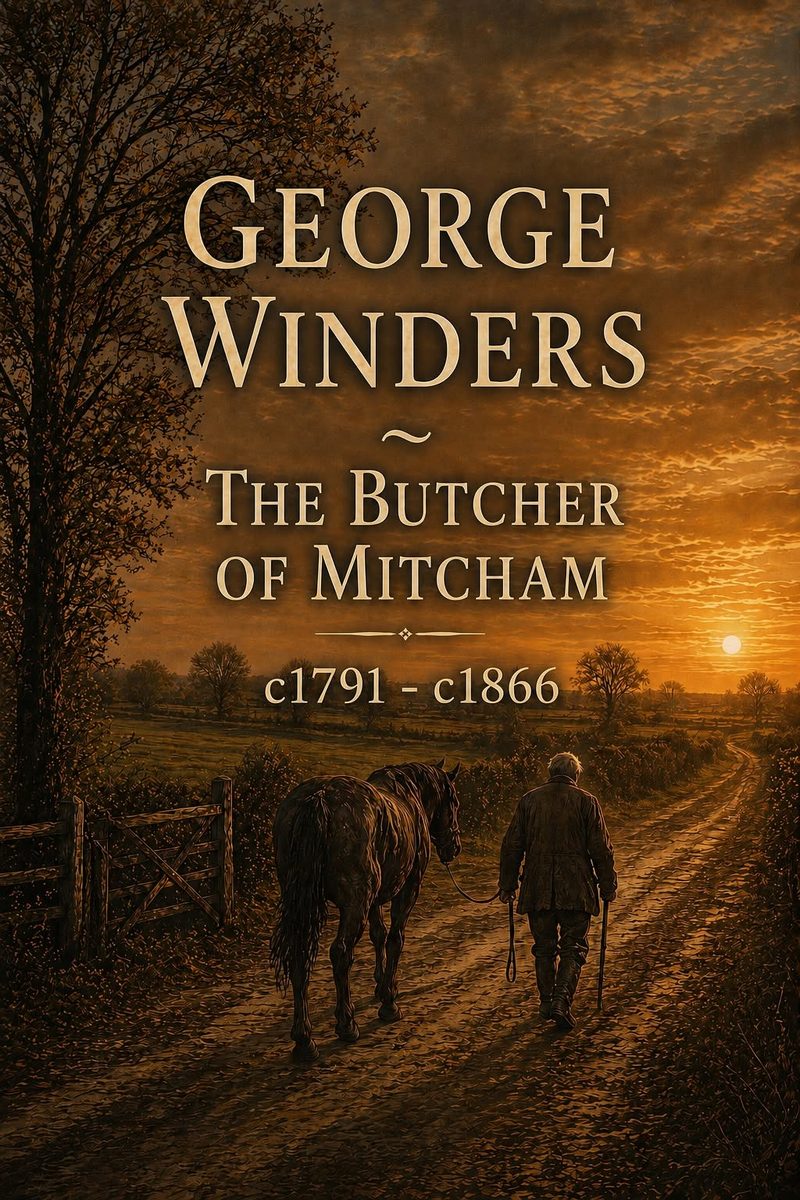
The family story - the Studio’s speciality

A rich family story grounded in records, newspapers, photographs and maps - but written to be read, felt and remembered. Printed book, tablet edition, website, or published with an ISBN.

Family story Books
See a finished family →
A finished family showcase page
May 2026

A taster of Family History. Better.

Turn scattered records, old photographs and fading memories into something worth showing off - a story, and a whole collection built to last.

The Studio Overview
See a finished family →

← scroll for more →

Follow along on Facebook for more.

The front door

Start with a Measure Up

Before anything, I look at what you’ve got and give you an honest read - a State of play, a Story-Ready Score, and a research plan of exactly what to chase next. Yours to keep, and it counts in full toward your collection if you go ahead.

1
State of playSend a folder from Dropbox, Drive, iCloud or OneDrive - or send me a USB stick. Messy is fine; I read what’s there.
2
ScoreAn honest Story-Ready Score - how complete your research is, and what it can become.
3
PlanA practical plan of what to chase next, so anything you add flows straight into the finished collection.
1
Seedling
raw material
2
Sprouting
emerging
3
Sapling
documented
4
Branching
story-rich
5
Flourishing
publication-ready
Sapling (3) or above - ready for your full collection.Not there yet? You’ll get a clear plan - do that work and I’ll re-run your Measure Up for free.
Simple, honest pricing

One finished collection, one clear price

Each Collection covers one family group - a couple and their children, with the story centred on that family. The standard story is told in third person, but can be a first-person memoir. If you are after a memoir of a living person or the project includes living people who require anonymity, or particularly sensitive or complex material, I’ll discuss the best approach and provide a tailored quote before work begins. See The Tools to learn more about privacy, consent and AI.

Launch Pricing The Family History Studio brings together stories, books, podcasts, websites, maps and archives into one finished Collection. I’m offering introductory pricing while I build the Studio.
The front door

Measure Up

For every family
$200AUD · credited toward your Collection

Before committing to a full Collection, find out where your family history stands. You’ll receive:

  • an honest assessment of your research
  • a Story-Ready Score
  • a personalised research plan

Yours to keep. If you continue with a Collection, the full $200 is credited toward the final price.

See a sample →
The full collection

Family History Collection

For one family group
$2,000AUD · all-in, including your Measure Up

Everything your family needs to preserve, understand and enjoy its history. Your Collection includes:

  • The Story - your family story (or Life Sketch), biographies, family group sheets and a fully sourced timeline
  • Places & Voices - location maps, a PastPort travel guide, podcast, Ask-the-Expert AI, illustrations and curated photo gallery
  • The Editions - beautifully formatted PDF and eBook editions ready to print or read anywhere, plus a private family website (hosted free for three months)
  • The Archive - documents transcribed and catalogued, photographs organised and tagged, everything renamed to a clear standard, plus an offline version of your Collection website

Designed for most family projects, including up to 50 documents and 30 photographs. Larger collections are quoted upfront. 50% deposit to begin.

See a finished example →
More than one family?

Additional Family Groups

Two or more family groups
$1,600AUD · each additional family group

Want to include Mum’s side as well? Or several connected family lines? Each additional family group is $1,600 and includes the same complete Collection. If you’d like every family group woven into one continuous story rather than separate histories, add Story Integration for $500.

Starting from paper?

Don’t let that stop you

If your research lives in folders, albums or shoeboxes, I can digitise it first so it’s ready for your Collection. Includes professional scanning, OCR, organisation and preparation of up to 50 documents and 30 photographs (larger collections by quote). $1,000 AUD. Includes your Measure Up.

Optional Extras

Your Collection already includes beautifully formatted PDF and eBook editions. If you’d like to go further, you can also add professionally published books, an audiobook, or a children’s edition. These can be added now or later.

All prices in AUD. Measure Up is paid in advance; full Collections begin on a 50% deposit.

Honest about the tools

Responsible technology. Human judgement.

A short version below, and the full detail if you want it. Either way, the point is the same: AI helps me do the work, it never decides the work.

Modern digital tools, including AI, have transformed what is possible in family history. Used responsibly, they help organise, analyse and present large collections of material far more efficiently than ever before.

They do not replace the role of the family historian. My aim is not to automate family history. It is to spend less time on repetitive tasks and more time researching, interpreting evidence and creating something your family will value.

Every important conclusion remains my responsibility. Every story is grounded in historical evidence and supported by its sources. If something cannot be proven, I say so.

AI is simply one of the tools I use to help create a finished family history collection.

Grounded in evidence

AI helps me transcribe, organise, analyse and draft from large collections of family history material including certificates, photographs, newspapers, letters, interviews and research notes.

That allows me to spend more time where it matters most - researching, evaluating evidence, resolving conflicting information, writing and producing your finished collection.

The historical judgement remains mine.

Every story is referenced back to the records you provide or that I discover during research. Wherever practical, you can trace important conclusions back to their original sources. If the evidence is uncertain, I say so. I never knowingly invent people, events or evidence simply because an AI system suggests them - in fact my workflow tries to eliminate the possibility of something like this in the first place.

Where AI is used, I choose services that provide the highest available privacy controls and, wherever possible, prevent client material being used for AI model training.

If you would prefer no AI involvement, simply let me know before work begins. In many cases I can complete the work another way, although this may affect cost, turnaround time and the range of digital products available.

Privacy, consent & living people

Family history often involves people who are still living, or stories that deserve particular care.

Protecting their privacy, dignity and wishes is one of my core professional responsibilities.

Every project begins with informed consent before AI-assisted tools are used. That consent allows me to use AI to help organise, analyse, draft and produce your family history from the material you provide. It does not automatically mean every document, photograph or story about every living person should enter an AI workflow or appear in the finished collection.

Depending on the circumstances, I may seek additional consent, anonymise names, remove identifying details, summarise sensitive material, process sections manually, or recommend excluding some material altogether.

To guide these decisions, I use a simple three-tier privacy model.

Tier 1 - Historical Material

This is material that can normally be processed using AI once you have approved the project. It generally relates to deceased people, historical records and publicly available information where there is no realistic risk of exposing the private information of living people.

Examples include:

  • historical birth, marriage and death records
  • census, electoral and parish records
  • newspapers
  • shipping and immigration records
  • land records
  • wills and probate
  • military records
  • historical photographs where no living person is identified
  • maps and published historical sources.

As a practical guide, family groups whose youngest children were born more than 100 years ago are usually considered low risk. More recent generations receive a closer privacy review.

Tier 2 - Living People

This material may involve living people or more recent generations but is not necessarily highly sensitive.

Examples include:

  • family trees containing living relatives
  • recent family letters and notes
  • photographs including living people
  • family stories involving people who may still be alive
  • first-person memoirs or life stories of living relatives, drawn from interviews or personal recollections
  • ordinary biographical information about living relatives.

Where appropriate consent exists, Tier 2 material can often be used within my normal AI-assisted workflow. A first-person memoir or recorded life story usually sits here or higher, because it centres on a living person and their recollections - so it always begins with that person’s consent and a closer privacy review.

Where additional privacy is needed, I use an anonymise-first approach. Names are replaced with neutral labels such as Living Relative, Daughter 1 or Cousin A. Identifying details are removed before the material enters the AI workflow. The key linking those labels to real names is kept separately and never entered into the AI system. Real names are restored manually during final editing.

This approach provides greater privacy protection but requires more manual work. It may increase cost and may limit some products, such as interactive family websites, podcasts or AI-powered family assistants. If this is recommended, I will explain the implications before work begins.

Tier 3 - Sensitive Information

Some material requires a much higher level of care.

Examples include:

  • information about children
  • adoption and donor conception
  • DNA discoveries
  • health or disability information
  • abuse or family violence
  • criminal matters
  • serious family conflict
  • information shared in confidence
  • memoirs or life stories touching on health, family conflict, or matters shared in confidence
  • recent events involving living people who have not given consent.

For this material I may recommend that it is handled manually, anonymised, summarised, excluded from AI-assisted processing, or omitted from the finished work altogether.

Occasionally I may decide not to undertake part of a project where the ethical, privacy or consent issues cannot be managed appropriately.

That decision is never because the story is unimportant. It is because protecting living people is more important than producing another page of family history.
Get in touch

Tell me about your family

Send a few details and what you’ve got, and I’ll come back with the next step.

What have you got, what state is it in, and what would you like done? For example: boxes of papers, files on the computer, certificates, scanned photos, an Ancestry tree, years of research, or something you’ve inherited that isn’t really yours. It also helps to know any timing you have in mind, who the collection is for, how you imagine it being used, and any ideas you’re already turning over.

Anything I should know? Are there living people in your research? Can you obtain their consent if needed? Are there sensitive or difficult matters we’ll need to handle with care?

Thanks - your enquiry’s on its way.
I’ll come back to you with the next step.